

Latina Boxers Breaking Barriers: 5 Fighters to Know in 2026
One holds a Guinness World Record. One retired undefeated and undisputed. Three more are fighting their way to Los Angeles. Five Latina boxers, and where each of them stands in 2026.


When I was younger, I thought I couldn’t be a princess because there wasn’t a Latina princess in sight. My parents failed to tell me how we were not meant to be princesses, but rather that our brownness came from royalty and the richness of the Incas. Instead of growing up with Cinderella, I should have grown up knowing about Gloria Anzaldúa, Dolores Huerta and Comandanta Ramona, women that look similar to me, that fought and still keep fighting for indigenous, LGBTQ+ and women’s rights. Women que luchan for their voices to be heard until they die, women that never let their fire burn out, brown women that would do anything for their pueblo and la gente. I did not always know us brown women were meant to be warriors, until I became one myself.
Be true to yourself and become the narrator you always wanted to grow up with.
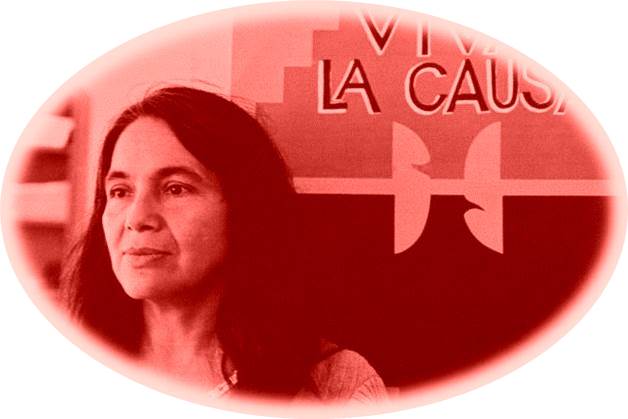
Dolores Huerta
Growing up in a Latinx household, you get twice the influence of whitewashed media through watching Disney and novelas with your mom before going to sleep. At a young age, you already think your brown skin is not good enough to be the leader of show, but rather be the sidekick or the sirvienta. I did not know how powerful us Latinas could be. With each button I pressed on the remote, I would constantly erase the women’s stories we “forgot” to mention. We learn to push aside the women that are even in our own lives—the brilliant, powerful, unafraid, and hard-working women that deserve the credit.
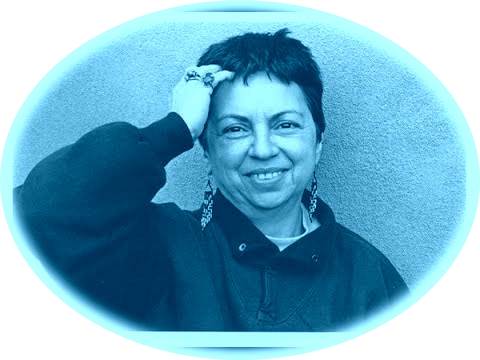
Gloria Anzaldúa
I remember the first time hearing the phrase “Women’s Rights” in high school. I thought to myself, “Why is that a thing?” My teacher smiled and simply assigned me “A Room of One’s Own”, by Virginia Woolf. I cannot begin to tell you how much my life changed after learning that women did not have access to write. If their husbands would find them writing inside their rooms or under their desk, they would be beaten. Women had to change their names if they dared to take the risk of publishing their own writing. This is when I started writing poetry and made sure my voice was being heard, whether it was politically or romantically, I had this urge to make sure it was on paper. Us, brown girls, need to make sure we feel this way about our own backgrounds and ourselves. The less we write our own stories, the more they’ll feel entitled to write yours.
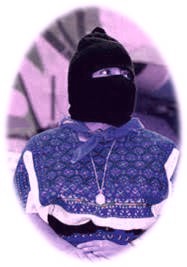
Comandanta Ramona
The more I became involved with learning about brown women, the harder it became for me to forget the women that fought, led, and we’re never talked about. Their stories were the ones that kept the revolution alive. Concepts such as “Ni de aqui, ni de alla” by Gloria Anzaldúa, gave me the opportunity to explore my identity, my sexuality, my Spanish speaking tongue, and my femme liberation. In order to keep their stories vivid, we need to reimagine an unwritten future. Us brown, Afro-Latinx, Black, Chicanx, queer, mentally and/or physically differently-abled, femme, non-binary, Muslim, undocumented, working-class folks and anyone else that has been fucked over by this system needs to make it known that we are no longer going to be ignored. When we believe in the power of our writing and our protests, together we can recreate the histories that were not told in the first place. Because when we lay out our passions, our despairs, and our struggles—it is not just yours anymore. It becomes the person that is feeling your words and your activism burning into their skin because they relate you. To your story. So next time you think your story is not worth it, believe in yourself and the power you have to impact someone’s life.
Be true to yourself and become the narrator you always wanted to grow up with.
One holds a Guinness World Record. One retired undefeated and undisputed. Three more are fighting their way to Los Angeles. Five Latina boxers, and where each of them stands in 2026.

In this installment of BoldLatina’s Community Essay series, author, award-winning filmmaker, and keynote speaker Denise Soler Cox whom we previously interviewed about language and Latino cultural identity in “Being Latino Enough” reflects on the rape case that has shaken the nation.

Mattel's newest Día de Muertos collection arrives with red satin, sugar-skull masks, and embroidery pulled from Mexican pottery.

Selena Quintanilla’s estate is suing Shein over allegedly unauthorized merchandise bearing her image, raising questions about who profits from a woman’s likeness; what the case could mean for Latina creators.
Get weekly inspiration for living well delivered straight to your inbox.