
Dear Mamá, La Revolucíon Is Within Me

Dear Mamá, La Revolucíon Is Within Me
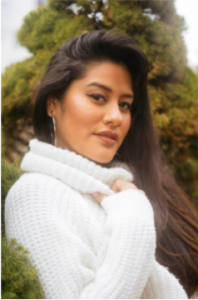
Indigenous guerrera mother and her child. 

Mamá, I know that I put my life in constant danger when I go out to raise my voice. I want you to understand why I consider myself an activist, why we as a generation, are part of the fight and why I must continue fighting para nuestra gente. Mami, your survival is the reason why I must continuar la lucha.

Dear Mamá,

I remember when I was younger, you sat on the couch with me and started braiding my hair. You said, “yo pase por mucho, pero sobreviví.” I did not know what you meant by that statement, but I was grateful for your dark eyes that met mine and your warm touches that made me feel present. I found out later, that your survival was not a one-time event, but that you have survived through abuse, violent relationships, immigration displacement, and so many situations in different places, spaces, and time frames that one simple letter cannot contain. And even though you left from a place where you had no choices, it is no coincidence you love ‘America’ and believe that the United States is the one and only savior. Just remember mamí, you made it here on your own and the U.S. did not help you, does not deserve the credit, nor has ever desired for your settlement.

I am part of the revolution that will move mountains for you…

I say all of this because there is a lot of history that you might not know of because there were many barriers that did not let you such as lack of time, knowledge of where to find accurate information, translation or interpretation, and the list goes on. Just like we see in our community where ICE comes and randomly selects which parents will not see their kids tonight, the United Sates has been known for ripping families apart, killing people that look like us, erasing afro-latinxs identities, creating hatred towards LGBTQ groups, esclavitud and still having the prison system as a part of commercialized slavery, having a Native American genocide and still continuing to erase indigenous people from this land.

However, when I try to tell stories or inform you that the reason why a black kid died in broad day light was simply because he was black and not because he was a ‘threat’, my words are hushed with—“pero tu nacistes aqui, no puedes odiar tu pais.” I understand mamí, I know that the journey here was rough. I know that you fought to be here and that you feel way safer than where you came from. However, I cannot help but think “if only she knew what our ancestors have gone through she would then understand.”

Sometimes it is hard to understand my experiences because as a first generation kid, I have had to face many situations that you might have thought were nonexistent in the U.S before making this your new home. From facing racism in schools to then experiencing colorism at home, being made fun for my lack of knowledge on American pop-culture, hating myself due to European beauty standards, being sexually abused by people I thought I trusted, homophobia and having sexual orientation identity crisis with no help nor support, and other traumas that are still being unpacked with time to time. My experiences and identities have made me the person that I am but you, mamí, have also contributed to the revolutionary fire within me and I thank you for that. Thank you for bringing me to this country you say I should love because I have met other compañeras that are down for the cause for helping la comunidad, because I have grown into my own skin that for so long people taught me how to reject, and because at the end this is my home.

The home—the diasporic body that somehow wishes she were in your home, mamí, that somehow your home was safer in order to have been built in. That somehow I even wish the United States did not hate me so much so that I never had to hate this home in the first place. Mamí, you think I just hate white people but you need to grasp the concept that they have removed us from a place we love in order to drown in their capitalist ways we call libertad.

Mamí, I want you to know that whenever I’m in my room making a poster, or I’m out making content about the reality of this place, it is to celebrate your survival and mine. It is to celebrate our people and to acknowledge that we continue to resist a system that still continues to call us aliens, illegals, animals. I want you to know that I will never stop fighting, no matter how dangerous it may look outside…because I notice how you looked at me when I protested after Pulse Orlando. Because I noticed that you were scared that I would go outside with my queer flag…Mamí, this is only the beginning. And I promise that I know my calling. I am part of the revolution that will move mountains for you and will forever cross eternal rivers for you.

Sincerely,

Tu compañera. Tu sangre. Tu Niña.

Read More

How Latin Artists Became the Soundtrack of the FIFA World Cup

How Latin Artists Became the Soundtrack of the FIFA World Cup

From Ricky Martin's iconic La Copa de la Vida to Shakira's unforgettable World Cup anthems, Latin artists have helped define the soundtrack of football's biggest stage. Discover how Latino talent has shaped FIFA World Cup history through music, culture, and unforgettable performances.

Are Latin Americans Happier? What the Happiness Rankings Reveal

Are Latin Americans Happier? What the Happiness Rankings Reveal

Costa Rica and Mexico have entered the top 10 happiest countries in the world according to the 2025 World Happiness Report.

What Women Should Know About “Forever Chemicals” in Athleisure

What Women Should Know About “Forever Chemicals” in Athleisure

Athleisure has become an everyday staple, but growing concerns about PFAS, or “forever chemicals,” in some leggings and activewear are raising questions about hormone disruption, wellness and safer fashion choices for Latinas and women of color.

Latina Fútbol Fans Are Shaping The Sport

Latina Fútbol Fans Are Shaping The Sport

As excitement builds for the 2026 FIFA World Cup, Latina fútbol fans are gaining long-overdue recognition for shaping soccer culture across generations. From South America to Latino communities in the United States, Latinas have long carried sports traditions through family, identity, and community.

Join our community

Get weekly inspiration for living well delivered straight to your inbox.